FLUORIDE ACTION NETWORK PESTICIDE PROJECT
Return to FAN's Pesticide Homepage
Return to Fluosilicic Acid Index Page
Fluosilicic Acid. TOXNET profile from Hazardous Substances Data Base.
From: http://toxnet.nlm.nih.gov/cgi-bin/sis/htmlgen?HSDB
FLUOSILICIC ACID
CASRN: 16961-83-4
Human Health Effects:
Human Toxicity Excerpts:
RISK OF FLUOROSIS WAS STUDIED IN 50 WORKERS ENGAGED FOR APPROX 30 YR IN PRODN
OF PHOSPHATE FERTILIZERS. CONCN OF GASEOUS FLUORIDE (HF, SIF4, AND H2SRF6) RANGED
FROM 0.04 TO 0.17 MG/CU M. INCR BONE DENSITY WAS FOUND IN 9 WORKERS, BUT NO
SIGNS OF DISABILITY WERE DETECTED.
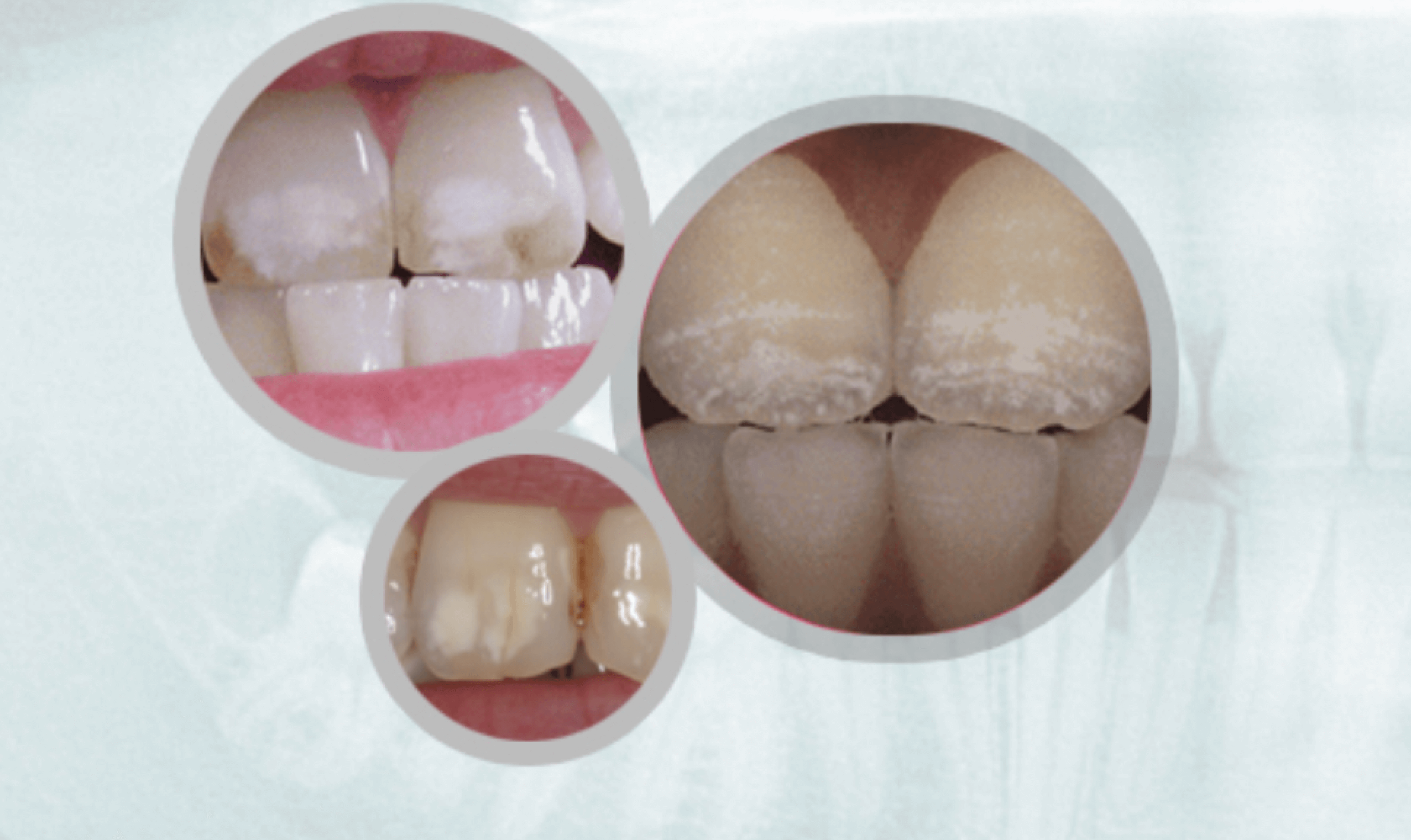
...THE MAJOR MANIFESTATIONS OF CHRONIC INGESTION OF EXCESSIVE AMT OF FLUORIDE
ARE OSTEOSCLEROSIS & MOTTLED ENAMEL. CHRONIC EXPOSURE
TO EXCESS FLUORIDE CAUSES INCR OSTEOBLASTIC ACTIVITY. ...DENSITY
AND CALCIFICATION OF BONE ARE INCREASED.../WHICH IS/ THOUGHT TO REPRESENT THE
REPLACEMENT OF HYDROXYAPATITE BY THE DENSER FLUOROAPATITE. /FLUORIDE SALTS/
...EXTREMELY CORROSIVE BY SKIN CONTACT & INHALATION.
Skin, Eye and Respiratory Irritations:
...extremely corrosive by skin contact & inhalation.
Minimum Fatal Dose Level:
4-5(?). 4= VERY TOXIC: PROBABLE ORAL LETHAL DOSE (HUMAN) 50-5000 MG/KG, BETWEEN
1 TSP AND 1 OZ FOR 70 KG PERSON (150 LB). 5= EXTREMELY TOXIC: PROBABLE ORAL
LETHAL DOSE (HUMAN) 5-50 MG/KG, BETWEEN 7 DROPS AND 1 TEASPOON FOR 70 KG PERSON
(150 LB).
Emergency Medical Treatment:
| EMT Copyright Disclaimer: |
| Portions of the POISINDEX(R) database are provided here for
general reference. THE COMPLETE POISINDEX(R) DATABASE, AVAILABLE FROM MICROMEDEX,
SHOULD BE CONSULTED FOR ASSISTANCE IN THE DIAGNOSIS OR TREATMENT OF SPECIFIC
CASES. Copyright 1974-1998 Micromedex, Inc. Denver, Colorado. All Rights
Reserved. Any duplication, replication or redistribution of all or part
of the POISINDEX(R) database is a violation of Micromedex' copyrights and
is strictly prohibited.
The following Overview, *** FLUORIDE ***, is relevant for this HSDB record chemical. |
| Life Support: |
o This overview assumes that basic life support measures
have been instituted.
|
| Clinical Effects: |
SUMMARY OF EXPOSURE
0.2.1.1 ACUTE EXPOSURE
o Following ingestion, sodium fluoride probably reacts
with gastric acid to produce highly corrosive HF which
may cause the nausea, vomiting, diarrhea, abdominal
pains, and acute hemorrhagic gastroenteritis reported
following massive overdose.
o In most instances, gastrointestinal signs and symptoms
predominate. Other effects include headache, numbness,
carpopedal spasm, hypocalcemia, hypomagnesemia, and
hyperkalemia. In severe poisoning hypotension and
dysrhythmias may develop. Death usually occurs from
cardiac failure or respiratory paralysis.
o Respiratory and mucous membrane irritation may develop
after inhalation.
CARDIOVASCULAR
0.2.5.1 ACUTE EXPOSURE
o Cardiac arrhythmias consistent with hyperkalemia may be
noted. Fatal cardiac arrest occurred in several
patients with renal failure exposed to fluoride during
hemodialysis.
RESPIRATORY
0.2.6.1 ACUTE EXPOSURE
o Respirations are first stimulated then depressed.
Death is usually from respiratory paralysis. Following
inhalation, coughing and choking may be noted.
NEUROLOGIC
0.2.7.1 ACUTE EXPOSURE
o Hyperactive reflexes, painful muscle spasms, weakness
and tetanic contractures may be noted due to fluoride
induced hypocalcemia.
GASTROINTESTINAL
0.2.8.1 ACUTE EXPOSURE
o Epigastric pain, nausea, dysphagia, salivation,
hematemesis, and diarrhea may be noted. These effects
may be delayed for several hours following exposure.
GI symptoms are noted when 3 to 5 mg/kg of fluoride are
ingested.
FLUID-ELECTROLYTE
0.2.12.1 ACUTE EXPOSURE
o Hyperkalemia may be noted. Hypocalcemia is likely.
DERMATOLOGIC
0.2.14.1 ACUTE EXPOSURE
o Urticaria and pruritus have been reported following
exposure to fluoride.
REPRODUCTIVE HAZARDS
o Prenatal fluoride supplementation (2.2 mg NaF or 1 mg
fluoride daily) during the last two trimesters of
pregnancy has been reported to be safe.
OTHER
0.2.23.1 ACUTE EXPOSURE
o CHRONIC EXPOSURE - Prolonged exposure to fluorinated
water may cause fluorosis. Signs and symptoms of
fluorosis include brittle bones, calcified ligaments,
and other crippling changes.
|
| Laboratory: |
o Monitor serum calcium, potassium, and magnesium levels
regularly in symptomatic patients.
o No other specific lab work (CBC, electrolyte, urinalysis)
is needed unless otherwise indicated.
o Monitor EKG in significant intoxications.
|
| Treatment Overview: |
ORAL EXPOSURE
o ADMINISTER milk, calcium gluconate, or calcium lactate
to bind fluoride ion in the gastrointestinal tract.
o ANTACIDS (aluminum and/or magnesium based) should be
administered.
o IV calcium (gluconate or chloride) and magnesium may be
necessary to correct serum deficits of these divalent
metals in serious overdosage.
o Monitor EKG and vital signs.
INHALATION EXPOSURE
o INHALATION: Move patient to fresh air. Monitor for
respiratory distress. If cough or difficulty breathing
develops, evaluate for respiratory tract irritation,
bronchitis, or pneumonitis. Administer oxygen and
assist ventilation as required. Treat bronchospasm with
beta2 agonist and corticosteroid aerosols.
EYE EXPOSURE
o DECONTAMINATION: Irrigate exposed eyes with copious
amounts of tepid water for at least 15 minutes. If
irritation, pain, swelling, lacrimation, or photophobia
persist, the patient should be seen in a health care
facility.
DERMAL EXPOSURE
o DECONTAMINATION: Remove contaminated clothing and wash
exposed area thoroughly with soap and water. A
physician may need to examine the area if irritation or
pain persists.
|
| Range of Toxicity: |
o The estimated toxic dose is 5 to 10 mg/kg of fluoride (not
sodium fluoride). GI symptoms have occurred following
ingestion of 3 to 5 mg/kg of fluoride. Accidental
ingestion of sodium fluoride by children usually does not
present serious risk if the amount of fluoride ingested is
less than 5 mg/kg. Death has been reported following
ingestion of 16 mg/kg of fluoride. Fluoride toothpaste
typically contains a maximum of 1 milligram of fluoride
per gram of toothpaste.
|
| EMT Copyright Disclaimer: |
| Portions of the POISINDEX(R) database are provided here for
general reference. THE COMPLETE POISINDEX(R) DATABASE, AVAILABLE FROM MICROMEDEX,
SHOULD BE CONSULTED FOR ASSISTANCE IN THE DIAGNOSIS OR TREATMENT OF SPECIFIC
CASES. Copyright 1974-1998 Micromedex, Inc. Denver, Colorado. All Rights
Reserved. Any duplication, replication or redistribution of all or part
of the POISINDEX(R) database is a violation of Micromedex' copyrights and
is strictly prohibited.
The following Overview, *** ACIDS ***, is relevant for this HSDB record chemical. |
| Life Support: |
o This overview assumes that basic life support measures
have been instituted.
|
| Clinical Effects: |
SUMMARY OF EXPOSURE
0.2.1.1 ACUTE EXPOSURE
o INGESTION - may produce mild to moderate oral and
esophageal burns with more severe burns occurring in
the stomach. Perforations occur rarely. Pyloric
strictures may develop after moderate to severe burns,
generally delayed 3 weeks after ingestion.
1. Initial signs and symptoms may not reliably predict
the extent GI burns.
o DERMAL - Severe burns may occur. Complications may
include cellulitis, sepsis, contractures,
osteomyelitis, and systemic toxicity.
o INHALATION - may result in dyspnea, pleuritic chest
pain, pulmonary edema, hypoxemia, bronchospasm,
pneumonitis, tracheobronchitis and persistent
pulmonary function abnormalities. Pulmonary
dysfunction similar to asthma has been reported.
o EYE - Irritation may develop. Splash contact may cause
corneal erosions.
HEENT
0.2.4.1 ACUTE EXPOSURE
o Eye exposure may result in pain, swelling, corneal
erosions and blindness.
CARDIOVASCULAR
0.2.5.1 ACUTE EXPOSURE
o Cardiovascular collapse may develop soon after severe
poisonings.
RESPIRATORY
0.2.6.1 ACUTE EXPOSURE
o Inhalation may produce dyspnea, pleuritic chest pain,
upper airway edema, pulmonary edema, hypoxemia,
bronchospasm, pneumonitis, and persistent pulmonary
function abnormalities. Airway hyperreactivity has
also been reported.
1. The onset of respiratory symptoms may be delayed for
several hours.
NEUROLOGIC
0.2.7.1 ACUTE EXPOSURE
o Abnormal neuropsychologic function has been reported
following hydrochloric acid exposure from a leaking
tanker truck.
GASTROINTESTINAL
0.2.8.1 ACUTE EXPOSURE
o Ingestion of acids may result in burns,
gastrointestinal bleeding, gastritis, perforations,
dilation, edema, necrosis, vomiting, stenosis, fistula,
and duodenal/jejunal injury.
HEPATIC
0.2.9.1 ACUTE EXPOSURE
o Systemic toxicity may result in acute hepatic injury.
Hepatic injury has been reported following chronic
exposure to chromic acid.
GENITOURINARY
0.2.10.1 ACUTE EXPOSURE
o Renal failure is a rare complication of severe
poisonings. Hemoglobinuria may develop secondary to
hemolysis. Nephritis may develop after hydrochloric
acid ingestion.
ACID-BASE
0.2.11.1 ACUTE EXPOSURE
o Metabolic acidosis may develop following significant
acid ingestion.
FLUID-ELECTROLYTE
0.2.12.1 ACUTE EXPOSURE
o Massive fluid and electrolyte shifts may occur with
extensive dermal or gastrointestinal burns.
Hyperkalemia may occur with hemolysis.
Hyperphosphatemia, hypocalcemia and hyperchloremia have
been reported.
HEMATOLOGIC
0.2.13.1 ACUTE EXPOSURE
o Hemolysis may occur following significant acid
ingestion. Disseminated intravascular coagulation has
been reported.
DERMATOLOGIC
0.2.14.1 ACUTE EXPOSURE
o Chemical burns to the skin are often associated with
concurrent thermal burns and trauma. Complications
seen with thermal burns including cellulitis, sepsis,
contractures, osteomyelitis, may occur as well as
systemic toxicity from absorbed acid. Deep or
extensive burns may require grafting.
o Alopecia was reported following application of an
acidic formulation of a hair-relaxing product.
0.2.14.2 CHRONIC EXPOSURE
o Prolonged or repeated exposure to chromic acid mist can
result in dermatitis. Ulcerations may also occur.
|
| Laboratory: |
o Obtain baseline CBC and electrolytes in patients with
significant burns. Monitor renal function and
coagulation studies in patients with severe burns.
Obtain an upright chest radiograph in patients with
pulmonary symptoms or suspected perforation.
|
| Treatment Overview: |
ORAL EXPOSURE
o MUCOSAL DECONTAMINATION: If no respiratory compromise
is present, dilute immediately with milk or water; no
more than 8 ounces in adults and 4 ounces in children.
o GASTRIC DECONTAMINATION: Ipecac contraindicated.
Consider insertion of a small, flexible nasogastric or
orogastric tube to suction gastric contents after recent
large ingestions; the risk of further mucosal injury
must be weighed against potential benefits.
C. ENDOSCOPY: Because acid ingestion may cause severe
gastric burns with relatively few initial signs and
symptoms, endoscopic evaluation is recommended within 24
hours in any patient with a definite history of
ingesting a strong acid, even if asymptomatic. If burns
are found, follow 10 to 20 days later with a barium
swallow.
XB D. PHARMACOLOGIC TREATMENT: Corticosteroids are
controversial. Consider use in second degree burns
within 48 hours of ingestion in patients without
gastrointestinal bleeding or evidence of perforation.
Antibiotics are indicated for suspected perforation or
infection and in patients receiving corticosteroids.
XB E. SURGICAL OPTIONS: Initially, if severe esophageal burns
are found a string may be placed in the stomach to
facilitate later dilation. Insertion of a specialized
nasogastric tube after confirmation of a circumferential
burn may prevent strictures. Dilation is indicated
after 2 to 4 weeks if strictures are confirmed; if
unsuccessful, either colonic intraposition or gastric
tube placement may be performed. Consider early
laparotomy in patients with severe esophageal and/or
gastric burns.
INHALATION EXPOSURE
o INHALATION: Move patient to fresh air. Monitor for
respiratory distress. If cough or difficulty breathing
develops, evaluate for respiratory tract irritation,
bronchitis, or pneumonitis. Administer oxygen and
assist ventilation as required. Treat bronchospasm with
beta2 agonist and corticosteroid aerosols.
o INHALATION: Administer oxygen. If respiratory symptoms
develop obtain chest x-ray, monitor pulse oximetry
and/or blood gases. Treat bronchospasm with inhaled
beta agonists. If pulmonary edema develops, consider
PEEP. Evaluate for esophageal, dermal and eye burns as
indicated.
EYE EXPOSURE
o DECONTAMINATION: Irrigate exposed eyes with copious
amounts of tepid water for at least 15 minutes. If
irritation, pain, swelling, lacrimation, or photophobia
persist, the patient should be seen in a health care
facility.
o MEDICAL FACILITY: Irrigate with sterile 0.9% saline for
at least an hour or until the cul-de-sacs are free of
particulate matter and returned to neutrality (confirm
with pH paper).
o EYE ASSESSMENT: The extent of eye injury (degree of
corneal opacification and perilimbal whitening) may not
be apparent for 48 to 72 hours after the burn.
o EYE DAMAGE TREATMENT: If ocular damage is minor,
topical mydriatics, antibiotics and systemic analgesics
may be sufficient. For grade 3 to 4 injuries one or
more of the following may be considered, only with
ophthalmologic consultation: acetazolamide, timolol,
topical steroids, ascorbate, citrate, EDTA, cysteine,
NAC, penicillamine, tetracycline, or soft contact
lenses.
DERMAL EXPOSURE
o DECONTAMINATION: Remove contaminated clothing and
jewelry; wash exposed area with copious amounts of
water. A physician may need to examine the area if
irritation or pain persists.
|
| Range of Toxicity: |
o Undiluted acids are caustic especially to the oropharynx
and pyloric end of the stomach. Dilute solutions are less
hazardous.
|
Animal Toxicity Studies:
Non-Human Toxicity Excerpts:
Morphological changes in the skin of rats, guinea pigs, and swine were studied
after application of concn hydrofluoric and hexafluorosilicic
acid. The intact skin was not affected by these acids. Areas
injured before application of the acid showed, a continuous spreading of necrosis
in the deeper regions. The main characteristic findings were the hypocellular
necrosis and edema reaching as far as the subcutis. The necrosis showed sharp
leukocyte demarcations.
Metabolism/Pharmacokinetics:
Absorption, Distribution & Excretion:
IN WORKERS EXPOSED TO GASEOUS FLUORIDE (HF, SIF4, AND H2SRF6) AIR CONCN WHICH
RANGED FROM 0.04 TO 0.17 MG/CU M, URINE FLUORIDE EXCRETION RANGED FROM 1.0 TO
9.6 MG FLUORIDE ION/L (CONTROLS 0.3-1.2).
Pharmacology:
Minimum Fatal Dose Level:
4-5(?). 4= VERY TOXIC: PROBABLE ORAL LETHAL DOSE (HUMAN) 50-5000 MG/KG, BETWEEN
1 TSP AND 1 OZ FOR 70 KG PERSON (150 LB). 5= EXTREMELY TOXIC: PROBABLE ORAL
LETHAL DOSE (HUMAN) 5-50 MG/KG, BETWEEN 7 DROPS AND 1 TEASPOON FOR 70 KG PERSON
(150 LB).
Environmental Fate & Exposure:
Environmental Standards & Regulations:
Chemical/Physical Properties:
Molecular Formula:
F6-Si.2H
Molecular Weight:
144.11
Color/Form:
COLORLESS LIQUID
Odor:
SOUR, PUNGENT
Corrosivity:
ATTACKS GLASS & STONEWARE
Spectral Properties:
INDEX OF REFRACTION: 1.3465 AT 25 DEG C/D
Other Chemical/Physical Properties:
FAIRLY STRONG ACID
SOLIDIFIES ABOUT 19 DEG C, FORMING CRYSTALLINE DIHYDRATE /60-70% SOLN/
CORROSIVE; DENSITY: 1.4634 AT 25 DEG C; DECOMP AT BP /60.97% SOLN/
MAY BE DISTD WITHOUT DECOMP /13.3% SOLN/
DECOMP AT MP; DELIQUESCENT; WHITE CRYSTALS; SOL IN ALKALI; SOL IN COLD AND
HOT WATER /DIHYDRATE/
SOL IN COLD & HOT WATER; SLIGHTLY IN ALKALI /60.97% SOLN/
ANHYD FORM DISSOCIATES ALMOST INSTANTLY INTO SILICON TETRAFLUORIDE & HYDROGEN
FLUORIDE
Chemical Safety & Handling:
DOT Emergency Guidelines:
Health: TOXIC, inhalation, ingestion, or skin contact with material may cause
severe injury or death. Contact with molten substance may cause severe burns
to skin and eyes. Avoid any skin contact. Effects of contact or inhalation may
be delayed. Fire may produce irritating, corrosive and/or toxic gases. Runoff
from fire control or dilution water may be corrosive and/or toxic and cause
pollution.
Fire or explosion: Non-combustible, substance itself does not burn but may
decompose upon heating to produce corrosive and/or toxic fumes. Some are oxidizers
and may ignite combustibles (wood, paper, oil, clothing, etc.). Contact with
metals may evolve flammable hydrogen gas. Containers may explode when heated.
Public safety: CALL Emergency Response Telephone Number on Shipping Paper
first. If Shipping Paper not available or no answer, refer to appropriate telephone
number listed on the inside back cover. Isolate spill or leak area immediately
for at least 25 to 50 meters (80 to 160 feet) in all directions. Keep unauthorized
personnel away. Stay upwind. Keep out of low areas. Ventilate enclosed areas.
Protective clothing: Wear positive pressure self-contained breathing apparatus
(SCBA). Wear chemical protective clothing which is specifically recommended
by the manufacturer. Structural firefighters' protective clothing is recommended
for fire situations ONLY, it is not effective in spill situations.
Evacuation: Spill: See the Table of Initial Isolation and Protective Action
Distances for highlighted substances. For non-highlighted substances, increase,
in the downwind direction, as necessary, the isolation distance shown under
"PUBLIC SAFETY". Fire: If tank, rail car or tank truck is involved in a fire,
ISOLATE for 800 meters (1/2 mile) in all directions; also, consider initial
evacuation for 800 meters (1/2 mile) in all directions.
Fire: Small fires: Dry chemical, CO2 or water spray. Large fires: Dry chemical,
CO2, alcohol-resistant foam or water spray. Move containers from fire area if
you can do it without risk. Dike fire control water for later disposal; do not
scatter the material. Fire involving tanks or car/trailer loads: Fight fire
from maximum distance or use unmanned hose holders or monitor nozzles. Do not
get water inside containers. Cool containers with flooding quantities of water
until well after fire is out. Withdraw immediately in case of rising sound from
venting safety devices or discoloration of tank. ALWAYS stay away from the ends
of tanks.
Spill or leak: ELIMINATE all ignition sources (no smoking, flares, sparks
or flames in immediate area). Do not touch damaged containers or spilled material
unless wearing appropriate protective clothing. Stop leak if you can do it without
risk. Prevent entry into waterways, sewers, basements or confined areas. Absorb
or cover with dry earth, sand or other non-combustible material and transfer
to containers. DO NOT GET WATER INSIDE CONTAINERS.
First aid: Move victim to fresh air. Call emergency medical care. Apply artificial
respiration if victim is not breathing. Do not use mouth-to-mouth method if
victim ingested or inhaled the substance; induce artificial respiration with
the aid of a pocket mask equipped with a one-way valve or other proper respiratory
medical device. Administer oxygen if breathing is difficult. Remove and isolate
contaminated clothing and shoes. In case of contact with substance, immediately
flush skin or eyes with running water for at least 20 minutes. For minor skin
contact, avoid spreading material on unaffected skin. Keep victim warm and quiet.
Effects of exposure (inhalation, ingestion or skin contact) to substance may
be delayed. Ensure that medical personnel are aware of the material(s) involved,
and take precautions to protect themselves.
Skin, Eye and Respiratory Irritations:
...extremely corrosive by skin contact & inhalation.
Hazardous Reactivities & Incompatibilities:
...WILL REACT WITH WATER OR STEAM TO PRODUCE TOXIC AND CORROSIVE FUMES.
Hazardous Decomposition:
DANGEROUS; WHEN HEATED TO DECOMP, EMITS HIGHLY TOXIC AND CORROSIVE FUMES OF
FLUORIDES ...
Protective Equipment & Clothing:
WORKERS HANDLING DANGEROUS SUBSTANCES SHOULD BE SUPPLIED WITH EYE & FACE
PROTECTION, RESP PROTECTIVE EQUIPMENT, PROTECTIVE CLOTHING & FOOT &
LEG PROTECTION. ADDITIONAL PROTECTION MAY BE PROVIDED BY USE OF LANOLIN AS BARRIER
CREAM. /FLUORINE & CMPD/
Preventive Measures:
PROCESSES IN WHICH THERE IS POTENTIAL EXPOSURE HAZARD SHOULD BE EQUIPPED WITH
LOCAL EXHAUST VENTILATION & SHOULD, WHERE POSSIBLE, BE MECHANIZED. WORKERS
SHOULD NOT CONSUME FOOD OR BEVERAGES IN WORKPLACE & RIGOROUS PERSONAL HYGIENE
SHOULD BE OBSERVED BEFORE MEALS ARE TAKEN. /FLUORINE & CMPD/
Stability/Shelf Life:
FUMES IN AIR /DIHYDRATE/
FUMES IN AIR /60.97% SOLN/
Shipment Methods and Regulations:
No person may /transport,/ offer or accept a hazardous material for transportation
in commerce unless that person is registered in conformance ... and the hazardous
material is properly classed, described, packaged, marked, labeled, and in condition
for shipment as required or authorized by ... /the hazardous materials regulations
(49 CFR 171-177)./
The International Air Transport Association (IATA) Dangerous Goods Regulations
are published by the IATA Dangerous Goods Board pursuant to IATA Resolutions
618 and 619 and constitute a manual of industry carrier regulations to be followed
by all IATA Member airlines when transporting hazardous materials.
Storage Conditions:
THE MORE CONCN SOLN (BUT NOT ANHYDROUS LIQ) CAN BE STORED IN GLASS, ALTHOUGH
SOME ETCHING WILL TAKE PLACE AROUND THE SURFACE. USUALLY STORED IN IRON CONTAINERS.
Occupational Exposure Standards:
Manufacturing/Use Information:
Major Uses:
AGENT IN WATER FLUORIDATION, IN PRELIMINARY
TREATMENT OF HIDES & SKINS, & TO REDUCE REFLECTIVITY IN GLASS SURFACES;
DISINFECTANT FOR COPPER AND BRASS VESSELS; IMPREGNATING
INGREDIENT TO PRESERVE WOOD & TO HARDEN MASONARY; CHEM INT FOR ALUMINUM
TRIFLUORIDE, CRYOLITE, & FLUORSILICATES; ELECTROPLATING AGENT
FOR CHROMIUM
1-2% SOLN IS USED WIDELY FOR STERILIZING EQUIPMENT IN BREWING & BOTTLING
ESTABLISHMENTS; DIFFERENT CONCN ARE USED IN ELECTROLYTIC REFINING OF LEAD, CRUMBLING
LIME OR BRICK WORK, & TO REMOVE MOLDS
IN CERAMICS (TO INCR HARDNESS); TECHNICAL PAINTS; IN MFR OF HYDROGEN FLUORIDE
Manufacturers:
Chemtech Industries, Inc, Hq, 1655 Des
Peres Road, PO Box 31000, St Louis, MO 63131, (314) 966-9900; Fluoride Manufacturing
Division; Production site: East,
St Louis, IL 62202
Dow Chemical USA, Hq, 2020 Dow Center,
Midland, MI 48674, (517) 636-1000; Subsidiary: Essex Chemical Corp, 1401 Broad
St, Clifton, NJ 07015, (201) 773-6300; Essex Industrial Chemicals, Inc, subsidiary;
Production site: 100 Thomas Ln, Paulsboro, NJ 08066
Farmland Industries, Inc, Hq, 3315 N Oak
Trafficway, PO Box 7305, Kansas City, MO 64116, (816) 459-6000; Production
site: Green Bay, FL 33830
Freeport-McMoran Resource Partners, Hq,
1615 Poydras, New Orleans, LA 70112, (504) 582-4000; Agrico Chemical Company,
PO Box 60031, New Orleans, LA 70160; Production sites:
Bartow, FL 33830; Uncle Sam, LA 70792
Gardinier Inc, Hq, PO Box 3269, Tampa,
FL 33601, (813) 677-9111; Production site: Tampa, FL
33601
IMC Fertilizer Group, Inc, Hq, 2315 Sanders
Rd, Northbrook, IL 60062, (312) 564-8600; Production
sites: Americus, GA 31709; Florence, AL 35650; Hartsville, SC 29550
Maxxam Group Inc, Hq, 1088 O Wilshire
Blvd, Los Angeles, CA 90024, (213) 474-6264; Kaiser Tech Limited, Harshaw/Filtrol
Partnership, 30100 Chagrin Boulevard, Cleveland, OH 44124; Production
site: 1000 Harvard Avenue, Cleveland, OH 44109
Nu-West Industries Inc, Hq, 8400 E Prentice
Ave, Suite 1320, Englewood, CO 80111, (303) 721-1396; Production site: Conda,
ID 83230; Nu-South, Pascagoula, MS 39568; Production
site: Pascagoula, MS 39567
Occidental Petroleum Corporation, Hq,
10889 Wilshire Blvd, Suite 1500, Los Angeles, CA 90024, (213) 879-1700; Subsidiary:
Occidental Chemical Corp, 5005 LBJ Freeway, Dallas, TX 75244, (214) 404-3800;
Agricultural Products Division, 4830 W Kennedy Blvd, Suite 950, Tampa, FL 33609;
Feed Products Group; Production site: Highway 22, Montepelier,
IA 52759
Pelham Phosphate Co, Hq, West Railroad
St, Pelham, GA 31779, (912) 294-2081
Texasgulf Inc, Hq, PO Box 30321, Raleigh,
NC 27622, (919) 881-2700; Production site: Aurora,
NC 27806
Weaver Fertilizer Company, Inc, Hq, First
Virginia Tower, Norfolk, VA 23510, (804) 622-6591; Production
site: Norfolk, VA 23510
Methods of Manufacturing:
CRUDE ACID BY REACTION OF SILICON TETRAFLUORIDE (OBTAINED FROM MFR OF PHOSPHATE
FERTILIZERS OR PHOSPHORIC ACID) WITH WATER; PURIFIED ACID BY DISTILLATION OF
CRUDE FLUOSILICIC ACID OR BY REACTING
PURE SILICA WITH HYDROFLUORIC ACID
...FROM HF + SIO2; ALSO...BY ACTION OF WATER ON SIF4; BY ACTION OF H2SO4 ON
BASIF6: HEMPEL, BER 18: 1438 (1885); BAUR, GLAESSNER, BER 36: 4215 (1903); SOEL,
FIAT-REVIEW 23: 257 (1946); KWASNIK IN HANDBOOK OF PREPARATIVE INORG CHEM VOL
1, G BRAUER, ED (ACADEMIC PRESS, NEW YORK, 2ND ED, 1963) P 214.
BY-PRODUCT OF ACTION OF SULFURIC ACID ON PHOSPHATE ROCK CONTAINING FLUORIDES
& SILICA OR SILICATES. THE HYDROFLUORIC ACID ACTS ON THE SILICA TO PRODUCE
SILICON TETRAFLUORIDE, SIF4, WHICH REACTS WITH WATER TO FORM FLUOSILICIC
ACID, H2SIF6.
General Manufacturing Information:
INCREASING AMT...RECOVERED FROM PHOSPHATE FERTILIZER OPERATIONS ARE BEING
MARKETED FOR FLUORIDATION OF MUNICIPAL WATER. A GROWING PRACTICE AT MAJOR PHOSPHATE
PRODN SITES IS THE PROCESSING OF RECOVERED FLUORINE TO PRODUCTS SUITABLE AS
SUPPLEMENTS TO NATURAL CRYOLITE FOR USE BY ALUMINUM INDUSTRY.
The American Water Works Association standard for fluosilicic
acid used in water treatment specifies that it must contain
20-30% active ingredient, a maximum of 200 mg/kg heavy metals (as lead) and
no soluble mineral or organic substance in quantities capable of inducing injurious
health effects.
Formulations/Preparations:
MARKETED AS AQ SOLN ONLY /5, 10, 15, 20, 25, 30, 34 & 60-70%/.
GRADES: TECHNICAL; CP.
U. S. Production:
(1975) 3X10+10 G (FROM PHOSPHORIC ACID MFR)
(1976) 3X10+10 G (FROM PHOSPHORIC ACID MFR)
U. S. Imports:
(1972) ND
(1975) ND
U. S. Exports:
(1972) ND
(1975) ND
Laboratory Methods:
Analytic Laboratory Methods:
TOTAL FLUORINE IN FLUOSILICATES BY LEAD CHLOROFLUORIDE METHOD. /FLUORINE/
MATRIX: AIR: PROCEDURE: ION SPECIFIC ELECTRODE; RANGE: 0.05 TO 475 MG/CU M
FLUORIDE. /FLUORIDE/
Special References:
Synonyms and Identifiers:
Synonyms:
ACIDE FLUOROSILICIQUE [FRENCH]
**QC REVIEWED**
ACIDE FLUOSILICIQUE [FRENCH]
**QC REVIEWED**
ACIDO FLUOSILICICO [ITALIAN]
**QC REVIEWED**
DIHYDROGEN HEXAFLUOROSILICATE
**QC REVIEWED**
DIHYDROGEN HEXAFLUOROSILICATE(2-)
**PEER REVIEWED**
FKS
**QC REVIEWED**
FLUOROSILICIC ACID
**QC REVIEWED**
FLUOROSILICIC ACID (H2SIF6)
**PEER REVIEWED**
HEXAFLUOROKIESELSAEURE [GERMAN]
**QC REVIEWED**
HEXAFLUOROKIEZELZUUR [DUTCH]
**QC REVIEWED**
HEXAFLUOROSILICIC ACID
**QC REVIEWED**
HEXAFLUOSILICIC ACID
**QC REVIEWED**
HYDROFLUOROSILICIC ACID
**PEER REVIEWED**
HYDROFLUOSILICIC ACID
**QC REVIEWED**
HYDROGEN HEXAFLUOROSILICATE
**QC REVIEWED**
HYDROSILICOFLUORIC ACID
**QC REVIEWED**
KIEZELFLUORWATERSTOFZUUR [DUTCH]
**QC REVIEWED**
SAND ACID
**QC REVIEWED**
SILICATE (2-), HEXAFLUORO-, DIHYDROGEN
**QC REVIEWED**
SILICOFLUORIC ACID
**QC REVIEWED**
SILICON HEXAFLUORIDE DIHYDRIDE
**PEER REVIEWED**
Formulations/Preparations:
MARKETED AS AQ SOLN ONLY /5, 10, 15, 20, 25, 30, 34 & 60-70%/.
GRADES: TECHNICAL; CP.
Shipping Name/ Number DOT/UN/NA/IMO:
UN 1778; Fluosilicic acid
RTECS Number:
NIOSH/VV8225000
Administrative Information:
Hazardous Substances Databank Number: 2018
Last Revision Date: 20010809
Update History:
Complete Update on 08/09/2001, 1 field added/edited/deleted.
Complete Update on 05/16/2001, 1 field added/edited/deleted.
Complete Update on 09/12/2000, 1 field added/edited/deleted.
Complete Update on 06/12/2000, 1 field added/edited/deleted.
Complete Update on 03/28/2000, 1 field added/edited/deleted.
Complete Update on 02/02/2000, 1 field added/edited/deleted.
Complete Update on 09/21/1999, 1 field added/edited/deleted.
Complete Update on 08/26/1999, 1 field added/edited/deleted.
Complete Update on 10/29/1998, 1 field added/edited/deleted.
Complete Update on 06/02/1998, 1 field added/edited/deleted.
Complete Update on 10/26/1997, 1 field added/edited/deleted.
Complete Update on 04/23/1997, 2 fields added/edited/deleted.
Complete Update on 12/03/1996, 1 field added/edited/deleted.
Complete Update on 10/15/1996, 1 field added/edited/deleted.
Complete Update on 01/23/1996, 1 field added/edited/deleted.
Complete Update on 08/21/1995, 1 field added/edited/deleted.
Complete Update on 06/12/1995, 1 field added/edited/deleted.
Complete Update on 04/20/1995, 1 field added/edited/deleted.
Complete Update on 12/28/1994, 1 field added/edited/deleted.
Complete Update on 10/27/1994, 2 fields added/edited/deleted.
Complete Update on 03/25/1994, 1 field added/edited/deleted.
Complete Update on 08/07/1993, 1 field added/edited/deleted.
Complete Update on 05/25/1993, 1 field added/edited/deleted.
Field update on 12/23/1992, 1 field added/edited/deleted.
Complete Update on 01/23/1992, 1 field added/edited/deleted.
Complete Update on 07/15/1991, 1 field added/edited/deleted.
Complete Update on 11/01/1990, 3 fields added/edited/deleted.
Field Update on 05/05/1989, 1 field added/edited/deleted.
Complete Update on 04/30/1986